Petition, Comment or Direct Message? Choosing a Civic Route
Choose a petition, public comment or direct message by matching your concern to the response each route invites, from collective attention to a specific reply.

Choose a petition, public comment or direct message by naming the decision-maker and the response you need. A petition can make shared concern visible, a formal comment can address an open proposal, and a direct message can request an individual answer; none does all three jobs.
Name the decision-maker
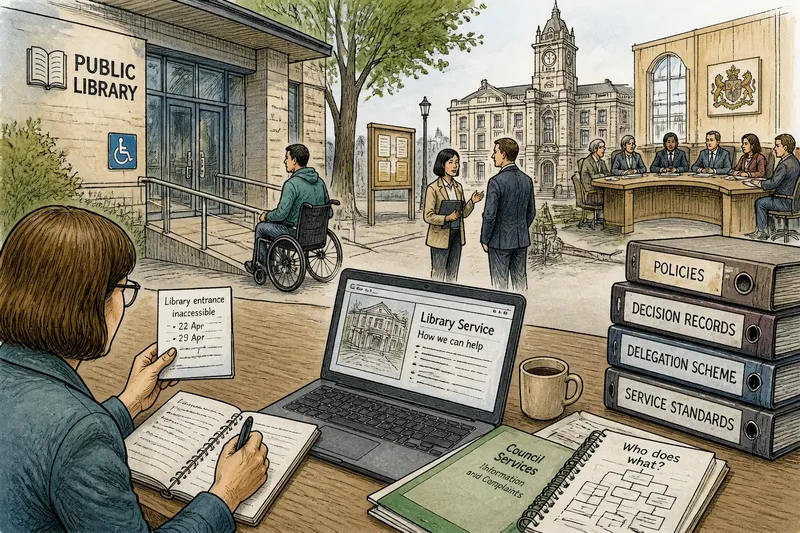
Before writing, identify who has authority over the issue. A council, public agency, elected representative and service provider may each have different responsibilities. Look at the notice, policy page or service information to see who owns the decision, rather than assuming the most visible office can act on it.
Then finish this sentence: “I want this decision-maker to…” The answer might be to acknowledge a shared concern, consider a specific consequence, explain a procedure or answer a personal question. That answer points towards the channel most likely to produce the response you seek.
Keep the decision-maker and the audience distinct. A petition is addressed to an institution but gathers support from other people; a consultation comment is directed into a defined process; a message to an office asks for a reply from its staff or representative. If the issue involves more than one authority, separate the requests instead of sending one broad appeal to all of them.
Petitions gather support
A petition suits a request that can be stated plainly and shared by other people. It makes collective attention visible, for instance when residents ask a council to reconsider a proposed change to a shared facility. The request should identify the responsible body and say what action supporters want it to consider.
Check the institution’s petition rules before circulating anything. The rules may explain acceptable wording, who can sign and how a petition is presented. If the institution has no formal petition process, do not assume that gathering names will trigger a debate or a particular decision.
A petition is a poor fit for a confidential matter, a detailed individual complaint or a submission that must answer questions in a consultation. Those require a channel designed for the specific process or personal case.
Say you and several neighbours want a local authority to review a proposed change to a shared facility. You check the authority’s petition rules, write a request asking for a review, and invite neighbours who support that request to sign. The observable result would be a collective request the authority can acknowledge or refer; it would not provide each neighbour with a personal answer or replace a formal consultation response.
Comments address proposals
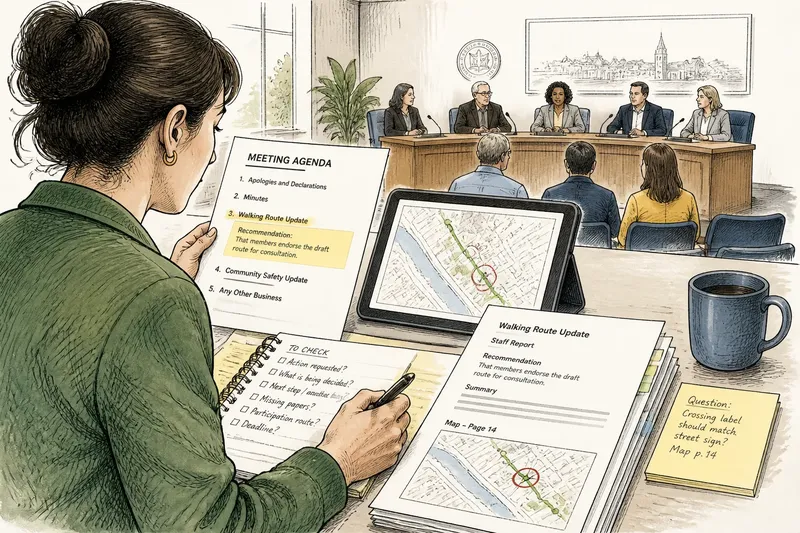
A formal comment belongs in a defined decision process, such as a consultation, planning application or committee discussion. Check what is open for comment, which decision-maker will consider it, the submission deadline and the accepted method. A comment sent outside the process may not become part of its record.
Make the submission easy to connect to the proposal: identify the relevant point, explain its practical effect and state a change you want considered. If the process asks set questions, answer them directly. A focused comment can contribute without relying on a crowd to make the issue visible.
Do not treat a consultation as a personal complaint route. The process may invite views on a proposal without offering an individual remedy, and the decision-maker weighs submissions rather than simply counting them. For a service problem or a review of an individual decision, check the published complaints or review procedure instead.
Direct messages seek answers
A direct message works well for an individual question, a request for explanation or help identifying who handles an issue. Use the office’s published email address, web form or telephone number. Keep the subject specific, explain the issue briefly and ask for one practical next action.
Send the message to an office with relevant responsibility, not simply to a prominent person. Include only personal details needed to identify or resolve the matter. A public post or message on social media is not private, even when it is sent to an official account.
A direct exchange does not automatically count as a formal comment, petition or complaint. If you need your view recorded in an open decision process, use that process’s submission route. If you want an individual service decision reviewed, follow the stated review procedure.
Choose by intended response
- Shared request: If several people want the same public action and visibility matters, use a petition; if the request is personal or confidential, contact the relevant office instead.
- Open proposal: If the decision-maker has invited comments and your concern addresses the proposal, submit a formal comment; if the issue falls outside its scope, use the appropriate service or complaints route.
- Individual answer: If you need an explanation or help with your own case, message the responsible office; if you want the wider proposal changed, also use its formal input process.
- Published deadline: If the process gives a deadline, submit through its stated method in time; if the window has closed, ask the decision-making office whether another route remains open rather than assuming your comment will be accepted.
- Unclear authority: If the published information names an office responsible for the decision, direct your request there; if it does not, ask the relevant public body which decision-maker owns the issue before drafting a larger appeal.
- Multiple outcomes: If you need both a personal reply and a public change, make separate requests through the channels for each; if only one outcome matters, use that channel and avoid duplicating the same message elsewhere.
Imagine a resident sees a draft change to a bus stop and wants an explanation as well as a safer crossing considered. The resident reads the consultation notice, confirms that the transport authority is the decision-maker and checks that crossing access falls within the proposal. They send the authority’s published contact address a short question about the draft, then submit a separate comment describing the crossing concern and the change they want considered. The expected result is a route for an individual answer and a separate contribution to the decision; if the notice excludes crossing access, the resident asks the authority which process covers it instead. If neighbours also share a request to retain the stop, a petition may make that broader concern visible, but it will not replace either of the other requests.
It is not worth sending identical messages to every councillor, department and public account in the hope that volume will compensate for a misplaced request. A directed message and a submission that follows the stated process give the decision-maker clearer work to respond to.
Questions about civic routes?
Can a petition replace a consultation comment?
Treat them as separate unless the relevant process explicitly says a petition counts as a submission. A petition signals shared concern, while a consultation comment addresses the proposal through its designated channel.
Should I message an elected representative?
That can suit a request for an explanation, advice or help identifying the decision-maker. For a formal decision process, check whether the representative’s office accepts input or whether the responsible body requires a separate submission.
What if I want a reply and a public change?
Use the channel designed for each outcome: message the responsible office about your individual question and submit the broader argument through the open process. State each request plainly so a reply to one is not mistaken for action on the other.
How can I check that my message arrived?
Keep a copy and use any acknowledgement or reference process the institution provides. If there is no confirmation and the matter is time-sensitive, contact the office through its published channel to ask whether it reached the right place.
Make requests answerable
For any civic route, name the issue, the decision-maker and the response you are asking for. Separate what you know from what you suspect, and include only material that helps explain the point. A clear request makes it easier for an office to acknowledge, consider, answer or redirect it.
Use the main search phrase, petition, comment or direct message, as a question about purpose: what response do you need, and who can provide it? Matching the route to the decision-maker keeps a shared appeal, a formal submission and a personal query from being mistaken for one another.